top of page

English Literature
About
Welcome to the English Literature page. Here, you will learn about English Literature and the beauty of it, like William Shakespeare. Enjoy!

Characterization: How Authors Bring Characters to Life
Direct vs. Indirect Characterization
Characters are the soul of any story, and writers try to use characterization to help readers become more informed and attached to the characters. Characterization basically comes in two forms:
1. Direct characterization-the author tells readers directly what a character is like.
Example: “She had been infinitely curious, fearless when danger lay ahead.”
2. Indirect characterization-that is a method when the author reveals a character's personality through his Speech, Thoughts, Effects on others, Actions, and Looks (which is widely remembered with such an acronym as STEAL).
Example: A character offering to share their lunch with a person in need would show, not tell, about generosity.
In the study of character in Canadian literature classes, students learn to analyze how authors use both methods to reveal complex personalities. Well-developed characters evolve or change over the course of a story, reflecting tensions and themes in the text. For example, in Anne of Green Gables by L.M. Montgomery, Anne's maturation from an impulsive orphan to a mature young woman reflects themes of identity, growth, and belonging. Characterization is the ability to see through another person's eyes and is a way of building empathy and cultural understanding-skills that are central to the study of English literature.

What Is Theme? The Heartbeat of a Story
"What the Message Behind the Plot Really Is"
In fiction, theme refers to the message conveyed, which also represents the overarching idea that a story explores. The theme in a story exceeds mere plot components that spell out what has occurred to identify a reason for significance. Thematically, it encompasses a commentary that an author seeks to make about human life.
Some of these themes involve friendship, bravery, identity, love, power, and justice. For instance, in Harper Lee's "To Kill a Mockingbird," a dominant theme like racial injustice provides readers with opportunities to make moral decisions. Another example of a dominant theme in a novel that showcases themes of conflict and belonging can be seen in S.E. Hinton's "The Outsiders."
Themes are not usually explicitly stated.
Rather, it becomes a part of our understanding when we analyze a story by looking at a character's motive, conflict, and resolution. Identifying a theme in a story will help us better appreciate it, thereby allowing us to reinforce our knowledge of mankind when we look at a certain theme. This idea of looking for a theme in a story is part of how we understand a theme from the Canadian curriculum.


The Engine of the Story: Understanding Plot Structure
The Five Stages of Narrative Development
Plot
A story’s plot refers to the series of events that lead readers from the beginning of a story to the end. There are many interestingly structured plots that aim to create a suspenseful experience for readers.
1. Exposition – This part introduces the characters, setting, and plot.
2. Rising Action – describes issues, complications, and/or choices that create tension.
3. Climax – turning point, point of greatest intensity.
4. Falling Action – shows the effects that come from the climax.
5. Resolution – ties up any loose ends by showing how a conflict has been solved.
For instance, in Shakespeare’s ''Romeo and Juliet'', the exposition part involves the presentation of the feud between the families, rising action involves the development of their tacit romance, the climax involves Tybalt’s death, while the falling action manifests as the tragic conclusion.
Knowledge of plot structure would help students perceive how story means and feelings are constructed. According to the Canadian curriculum, students are asked to graph plot elements, examine cause and effect, and consider how plot affects theme and characterization. Plot knowledge benefits reading enjoyment and analysis.

The Power of Perspective: Point of View in Narration
Where and When the Story Comes to Life
While the characters and plot move a story along, the setting and mood form its emotional and physical backdrop. Setting refers to location, time period, and cultural context in which a story is imagined to be taking place. Mood refers to the feeling or atmosphere that is developed through the authors' use of language and imagery.
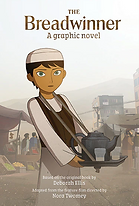
For instance, the Arctic setting in "The Call of the Wild" by Jack London shows the brutality of struggling for survival, and the cold, lonely mood conveys the transformation of the main character. In "The Breadwinner" by Deborah Ellis, the setting is Afghan war, from which the actions made by the characters are influenced, pointing to themes such as resilience and hope.
By setting and mood, students learn how authors use descriptive detail, symbolism, and tone to appeal to or manipulate their readers' emotions. In the Canadian English curriculum, these constitute the very basis of any literary interpretation, inviting students to perceive in what way environment, culture, and emotion come together in a manner that creates deeper meaning within a text.



Conclusion
In short, English Literature class will usually have you learning a lot about Shakespeare and many other famous writers. You will also learn how a plot and story works, and how to use it.
Whether you are just a visitor or a student, i hope you learned something today!

bottom of page